

Immersive Study Abroad Programs in Peru
Field-based learning experiences in the Andes and Amazon, focused on community-led tourism, development, and cultural systems.
Our Philosophy
We emphasize learning through direct relationship with nature, place, and community in Peru. Immersion in diverse ecosystems invites students to understand ecological interdependence not just intellectually, but through lived experience. We emphasize respectful, mutually-beneficial engagement with indigenous communities, recognizing their various bodies of knowledge as essential and rooted in practice, reciprocity, and cultural continuity. Each of our programs is customized to the group and local context, allowing learning to remain responsive and relevant. Above all, we prioritize embodied learning—students learn by doing, fostering deeper awareness, connection, and responsibility, both to and beyond themselves.
Who’s It For
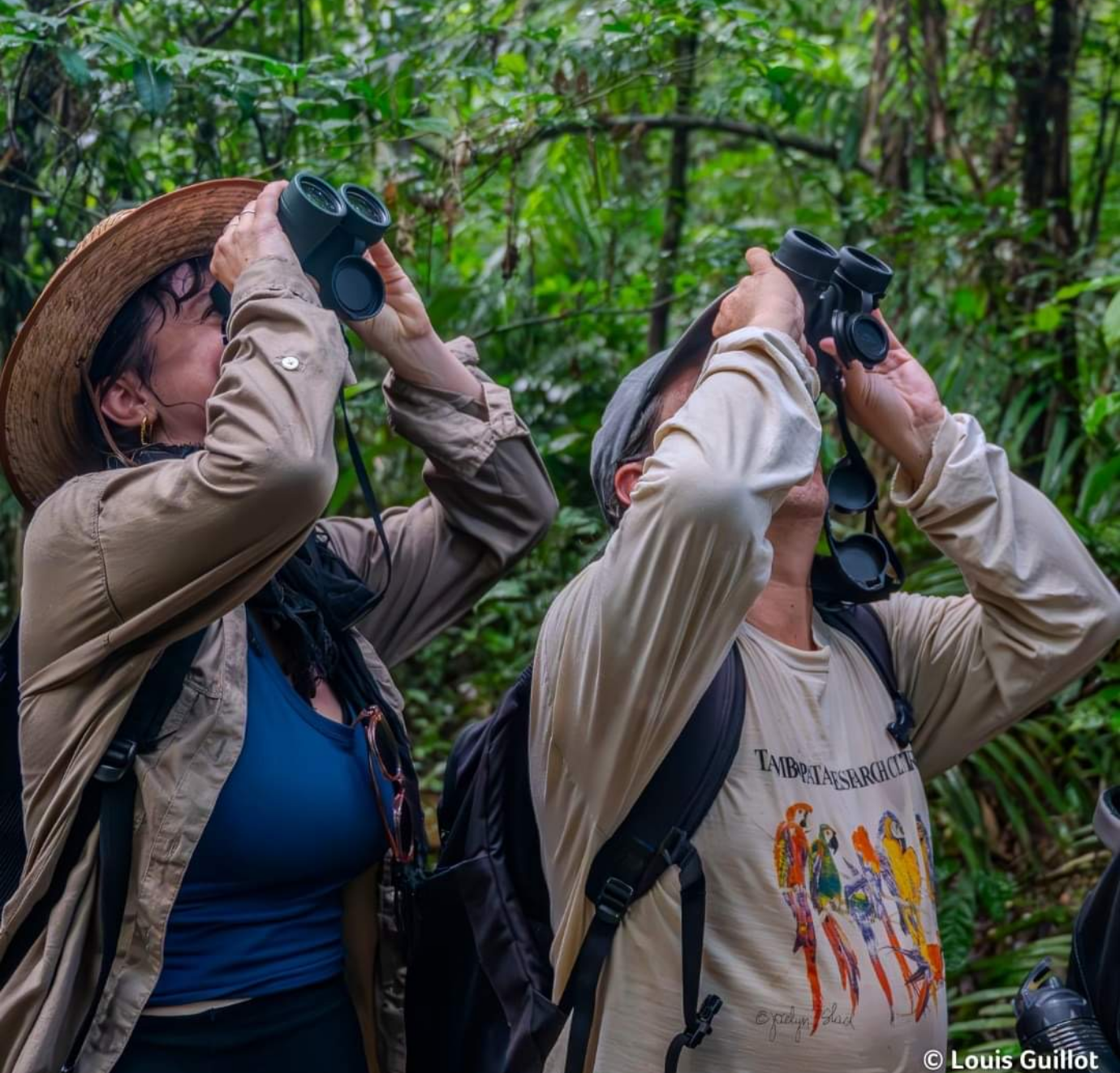
Our faculty-led study abroad programs are designed specifically for high school, university, and graduate students. We customize each of our programs based on the expertise of the faculty lead(s), student interest, and our current community needs. In special circumstances, we also facilitate gap term programing and educational travel.
What Students Experience
Participants in CRC programs can expect deeply immersive experiences that blend academic inquiry with daily life in Peru’s natural and cultural landscapes.
-
Student programs occur in partnership with indigenous and local communities in the Amazon and Andes. These are the same communities where CRC carries out its community-led tourism initiatives. As a result, students participate in the capacity-building process as it unfolds. They experience new iterations of program design and implementation, and are asked to provide feedback to help communities further develop their enterprises.
-
During their time in Peru, students have opportunities to interface with local community, business, and government leaders, as well as the heads of our partner organizations. We believe wholeheartedly in the spirit of collaboration; through these interactions, students observe the necessity of forming strong, lasting, and mutually beneficial alliances when working in community development with and for underserved populations.
-
Each of our programs is field-based, taking place in the Amazon Rainforest, the Andes Mountains or, in some cases, both. In these locations, students observe ecosystems, local communities, and sustainable practices firsthand, connecting classroom learning to real-world environments.
-
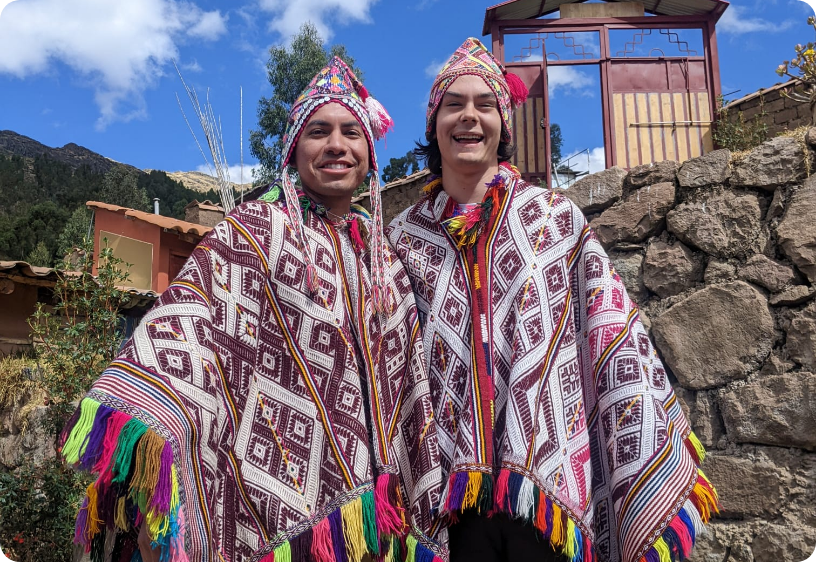
Students engage directly with local Indigenous communities in Peru to share knowledge, traditions, and daily life. Where possible, they participate in collaborative projects with the community, which provide both students and community members opportunities to develop cross-cultural understanding, build meaningful relationships, and foster mutual learning and appreciation.
-
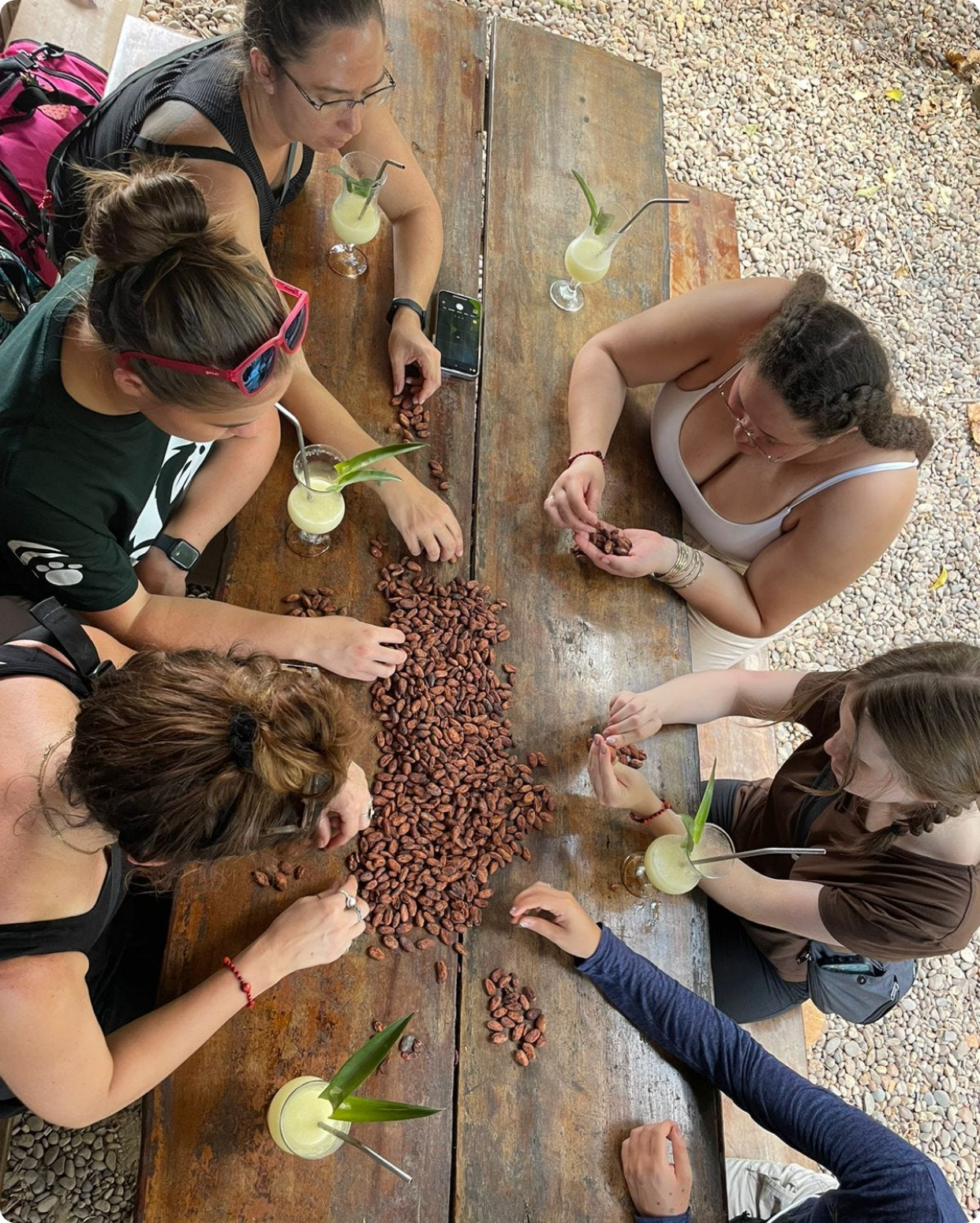
Our work in local communities and collaborations with partner organizations provide students with ample opportunity to gain hands-on, practical experience beyond the classroom. This sometimes entails planting native tree species in the Andes mountains for a forestation project, assisting in the care of rescued red howler monkeys in the Amazon, or helping develop social media strategies for nascent community projects.
Academic Focus Areas
We are experts in experiential education and align each of our study abroad programs to the curriculum objectives of the faculty lead(s). All of our itineraries are fully-customized. Some content areas that lend themselves particularly well to our programs include:
Regenerative Tourism
Contribute to regenerative, community-based tourism initiatives and training programs.
Anthropology & Ethnography
Engage in participant observation and develop fieldwork methodologies.
Globalization Studies
Observe how global systems can determine economic, social, and environmental outcomes at the local level.
Spanish Immersion & Latin American Culture
Learn about pre and post-Colonial Peruvian culture through language, food, architecture, etc. (Spanish language proficiency is not a prerequisite for participation).
Environmental Ethics
Consider the relationship between humans, ecosystems, and non-human animals in some of the most biodiverse regions on the planet.
Climate Science
Participate in research initiatives and conservation efforts in the Andes and Amazon.

Why CRC
Long-term presence in Peru
Our collective work in the region spans decades.
Deep community relationships
We maintain an ongoing, in-person presence in the communities where we work.
Ethical, non- extractive tourism
Our programs provide local partners with opportunities to practice implementing the skills they acquire through our training modules and workshops.
Academic + field expertise
We are lead by a team of educators with decades of teaching experience, both inside and out of the classroom.
FAQ’s
We’re experts at program planning and masters of logistics. If you are unsure about how to coordinate your faculty-led trip, we can help. Here are some of the more common questions in the process:
-
Programs average three to four weeks, but can be longer in some circumstances. However, because each program is fully customized, itineraries are tailored to the curriculum objectives, university/school requirements, and preferences of faculty leads. We suggest a minimum of ten days spent in-country, not including travel to and from Peru, to allow for acclimatization and full immersion.
-
Programs take place throughout Peru including the jungle, mountains, and coast. We are engaged in community work and student programming in both the Amazon Rainforest and Andes Mountains. In the jungle region or selva, this includes the Northern Amazon near the city of Iquitos, and in the Southern Amazon around Puerto Maldonado. In the mountainous region or sierra, this includes Cusco and the surrounding areas of the Sacred Valley of the Inca, Andahuaylillas, Pitumarca, and Ausangate. We are beginning to expand programming to coastal regions in the north, to include Los Lobitos and Mancora.
-
The typical group size for our programs is ten participants with two faculty leads. In most circumstances, the minimum number of participants to run a program is five. While there is no maximum number of participants, larger groups may need to be split for some activities to mitigate the ecological and social footprint of community visits.
-
All of our programs are customized to the research specialities of faculty, curricular requirements of students, and objectives of the sending institutions. Our programming leads are educators with extensive teaching experiences, both in the field and classroom; combined with their local expertise as current and former residents in the regions where we work, they are adept at working with faculty to create innovative, highly customized programs for students from a variety of disciplines.
-
Given the degree of customization of each of our programs, there is no "typical" CRC program; each is as unique as the students and faculty who comprise them. Nevertheless, all of our programs are “turnkey.” We manage the budget, scheduling, logistics, and facilitation, from itinerary planning to the final airport transfer at the end of the program. Please contact us if you are interested in a sample itinerary.
-
Accommodation consists of housing in local-style hotels, hostels, and lodges. Depending on the program and partner school, we also offer homestay opportunities where students can stay with local host families. Occupancy is shared between other students, with each participant having their own bed. Bathrooms are shared.
-
English speaking guides who are fluent in Spanish provide translation support throughout scheduled programming. Additional translation support is provided during activities when necessary. Spanish proficiency is not a prerequisite to program participation.
-
The safety of our programs is our top priority. We conduct pre-departure briefings where we outline travel and in-country safety guidelines. Upon arrival we conduct a program and safety orientation where we review program rules, emergency procedures, and distribute emergency contact cards. We conduct regular briefings and check-ins with students and faculty throughout the duration of a program to stay apprised of emergent issues. Prior to each activity students are informed of potential risks and reminded of the specific safety protocols they should employ for a given activity (i.e. safety goggles, work gloves, etc.). We equip and install first aid kits at student lodging and have portable kits for field visits. Each of our staff is trained on safety and emergency protocols.
-
Each program has a designated lead who manages on-the-ground logistics and accompanies the team for all scheduled activities and fieldwork. This lead is the primary point of contact for language support and translation, as well as emergency management in the field. Simultaneously, administrative support is available 24/7 for the duration of the program, should additional assistance be required.

Start Planning a Program
Interested in bringing your students or alumni to Peru in a meaningful way? Click below to get in touch.