
Advancing community-led tourism in Peru
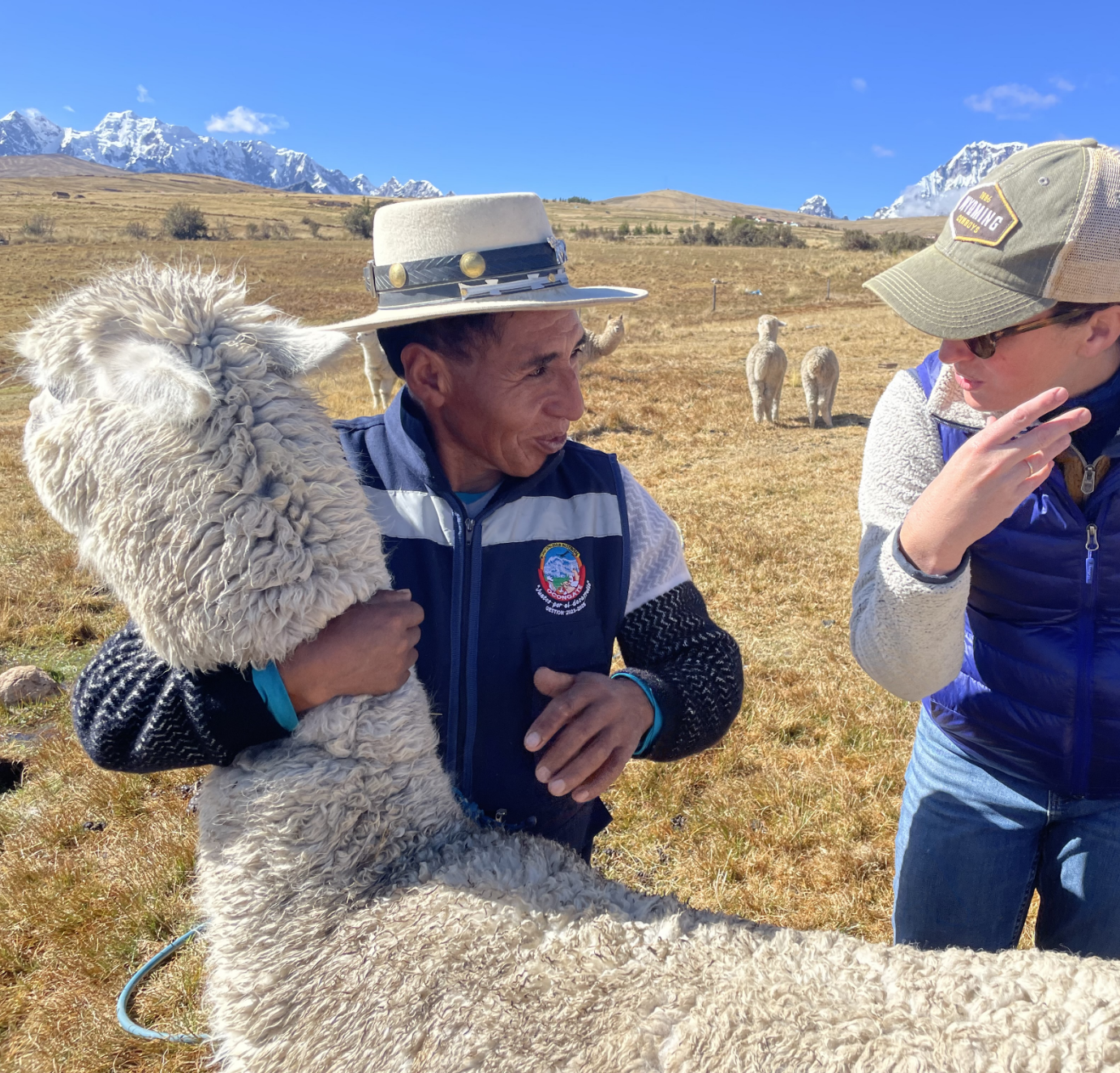

We support indigenous and local communities to design and lead their own tourism initiatives through education, training, and partnerships.
What We Do
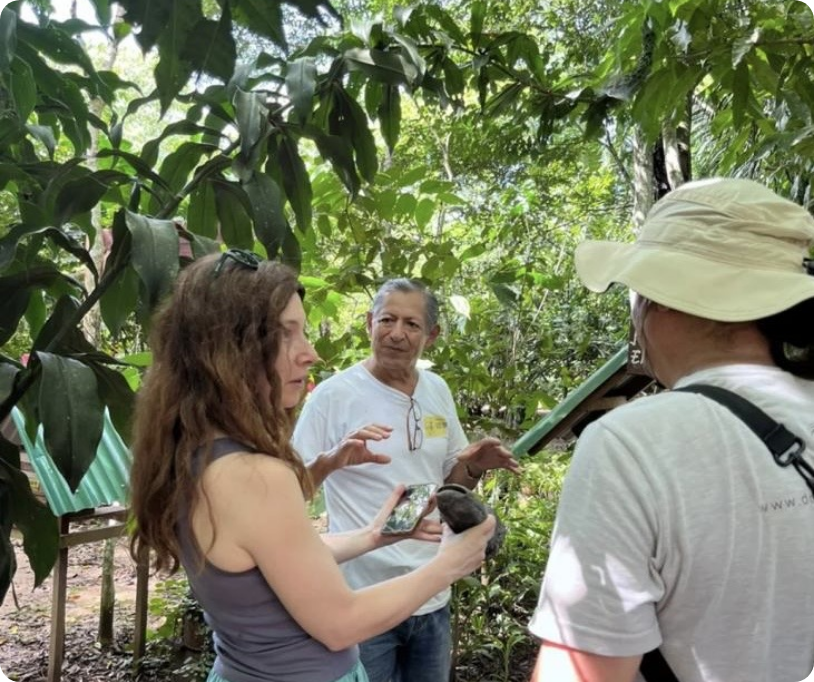
Community Training
Capacity building in turismo vivencial (rural tourism) in the Peruvian Andes and Amazon Rainforest.
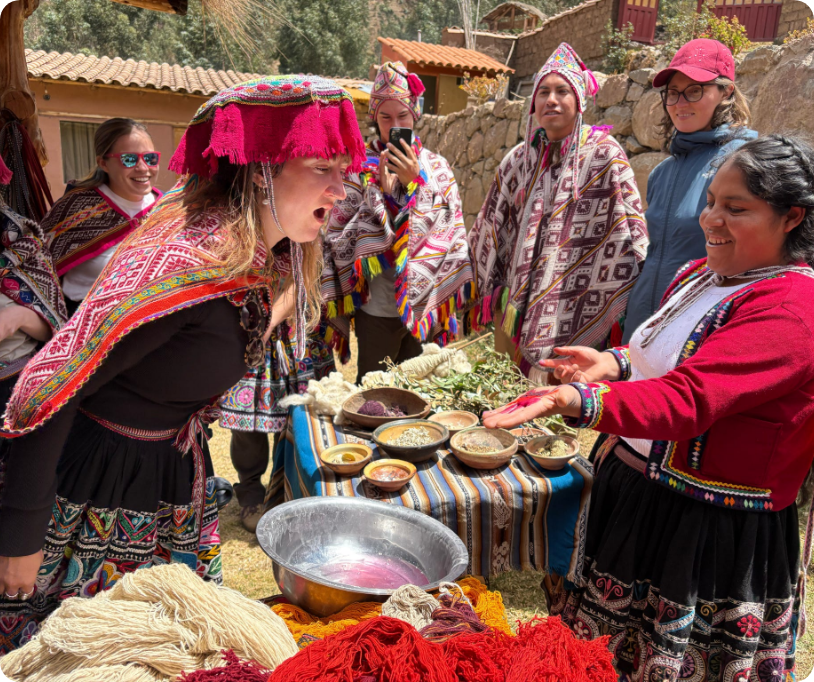
Study Abroad Programs
Fully customized experiential learning and faculty-led study abroad for high school and university students.
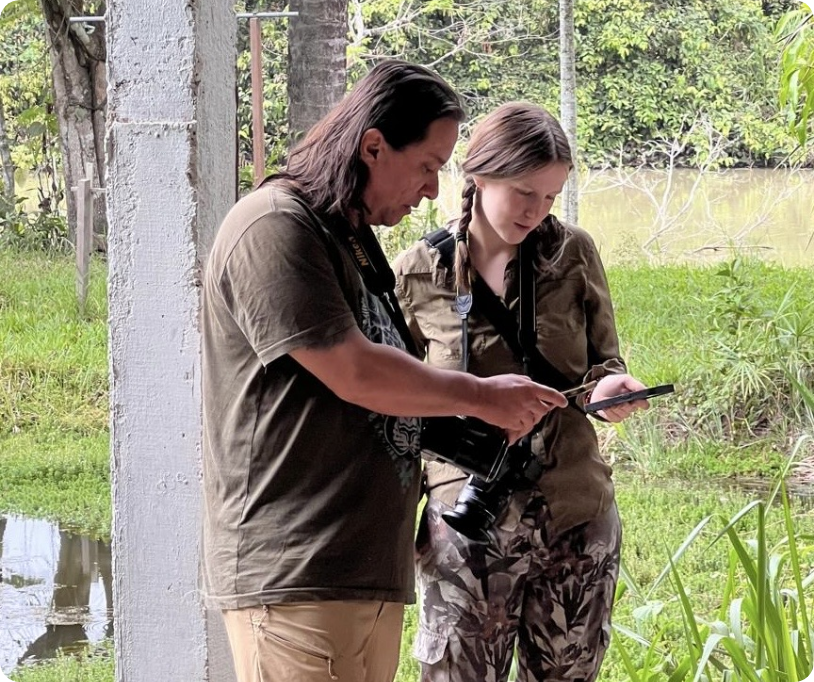
Research & Partnerships
Collaboration with local NGOs, government entities, and outside agencies in research, advocacy, and policy change.

Why It Matters
Our education programs equip local communities with the necessary skills to develop and manage their own tourism enterprises as tools for long-term, regenerative growth. Meanwhile, our immersive faculty-led study abroad programs foster cross-cultural exchange, mutual understanding, and meaningful community partnerships between students and these communities.
Programs
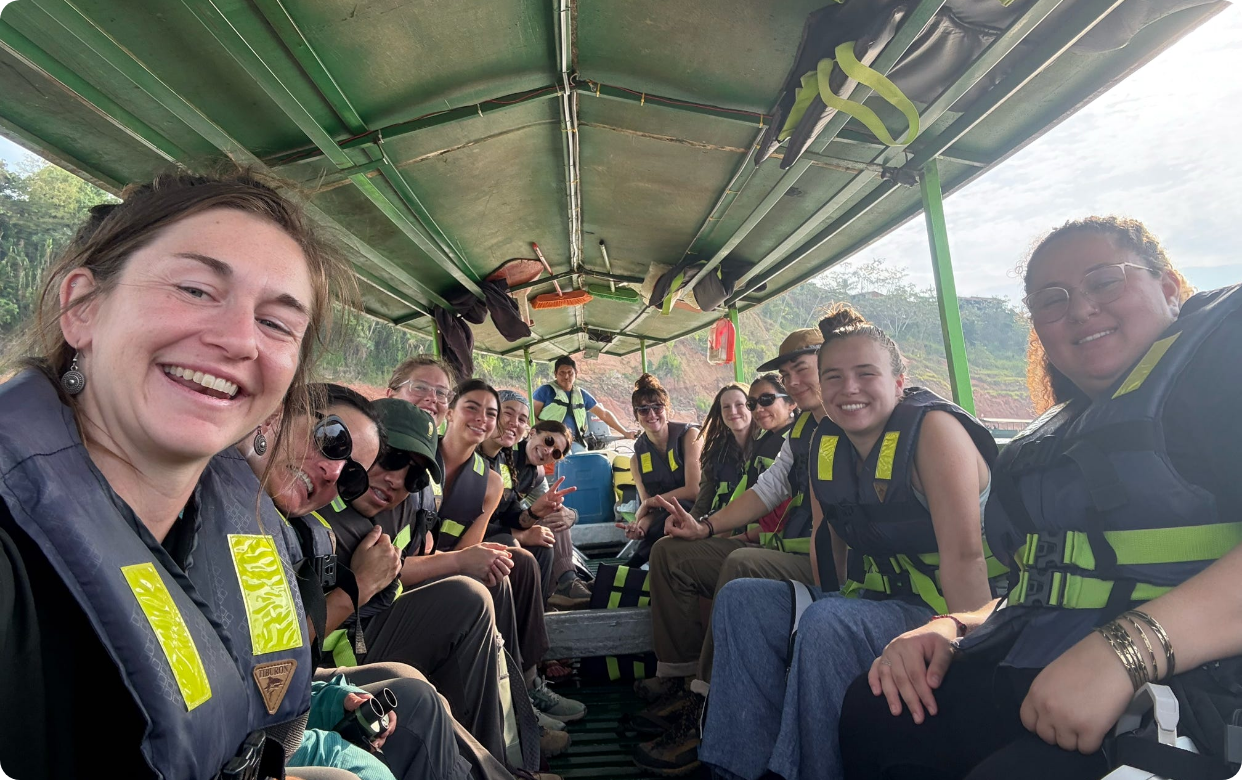
For Universities & Students
We design and implement culturally immersive educational experiences for international university and high school students in the Peruvian Amazon and the Sacred Valley of the Inca. Through our faculty-led study abroad opportunities, participants engage in cross-cultural exchange designed to promote mutual understanding and genuine community partnerships.
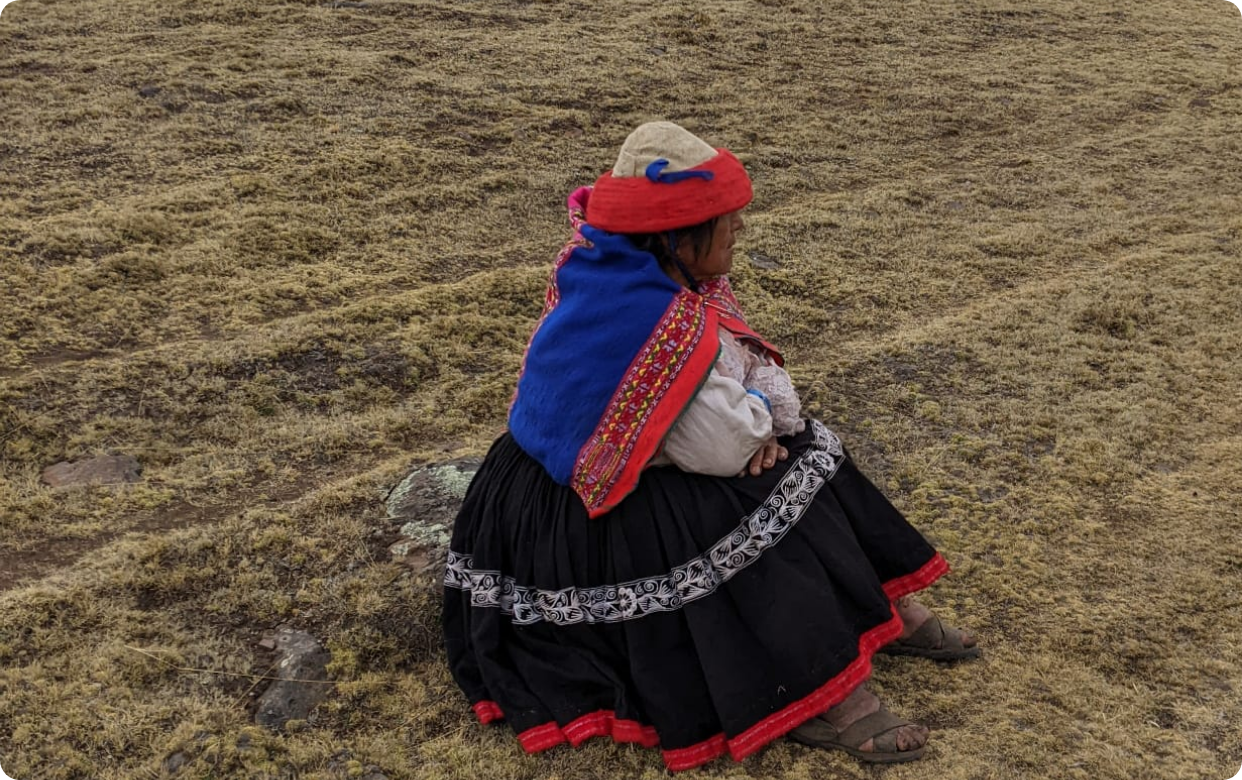
For Communities
We offer capacity-building initiatives in the Peruvian Andes and Amazon that support regenerative economic development and cultural preservation through turismo vivencial (rural tourism). These programs equip local communities with tools to develop and manage their own tourism enterprises to enable longterm, regenerative growth.

About Us
Tourism in Peru is largely built on the cultural richness of Indigenous communities, whose traditions shape the experiences that draw visitors from around the world. Yet the rural communities sustaining this heritage often see limited long-term benefit from the industry. Recognizing the need for more equitable, community-led approaches—and drawing on our shared academic and professional expertise—we co-created the Center for Regenerative Communities.
Locations
CRC community trainings and study abroad programs take place in three main regions: the Peruvian Andes, which includes the Sacred Valley and Cusco, the Southern Amazon (Puerto Maldonado) and the North Amazon (Iquitos). Our community work and educations programs two sides of the same coin: where we deliver training workshops to local families, we make every effort to visit with students.
-
Iquitos is located in northeast Peru and is a gateway to the Amazon Rainforest. It is the largest city in the world not accessible by road; it can only be visited by plane or by boat. While the city is large, chaotic, and densely populated, the neoclassical art and architecture of the older quarters harken back to the rubber boom era of the late 19th and early 20th centuries.
The Amazon River and its tributaries connect smaller indigenous communities from the larger urban center of Iquitos. Unlike other parts of the world, native populations in this region are much less stationary due to the rise and fall of the river.
Our work in Iquitos takes place primarily in the community of Santa Clara, in partnership with Ämak Lodge, not far from the town of Indina.
-
The Cusco Region is one of the most historically and culturally dense areas in South America—a highland landscape where Indigenous traditions, Inca infrastructure, and colonial history overlap with living, contemporary communities. The region stretches from high Andean plateaus (over 4,000 meters / 13,000 feet) down into cloud forests that descend toward the Amazon basin.
Our work in Cusco currently takes place in three main areas: The Sacred Valley the Incas, South Cusco Valley (Andahuaylillas), and Ausangate (Pitumarca and Pukarumi).
-
Puerto Maldonado is a small Amazonian city in southeastern Peru, where the Madre de Dios River meets the rainforest. Known as a gateway to nearby reserves like Tambopata National Reserve, it offers access to extraordinary biodiversity alongside a growing frontier economy shaped by conservation, tourism, and natural resource extraction.
We partner with various projects and communities in and around Puerto Maldonado, including Santa Teresita, Baltimori, and La Joya.

Get In Touch
Bring a Program. Partner with Us. Learn More About our Organization.