

Supporting Community-Led Tourism from Within
We work alongside indigenous and local communities to build the skills and systems needed to design and manage their own community-led tourism initiatives.
Our Mission
We aim to use tourism as a tool for development in native communities, not to develop tourism further in an already saturated market. We aim to empower local indigenous communities to operate independent of intermediaries to develop their own associations and execute their own vision of turismo vivencial (rural tourism) in ways that transcend conventional sustainability models. Our community education programs promote sustainability, biodiversity, and cultural understanding across the Peruvian Andes and Amazon Rainforest.
The Challenge
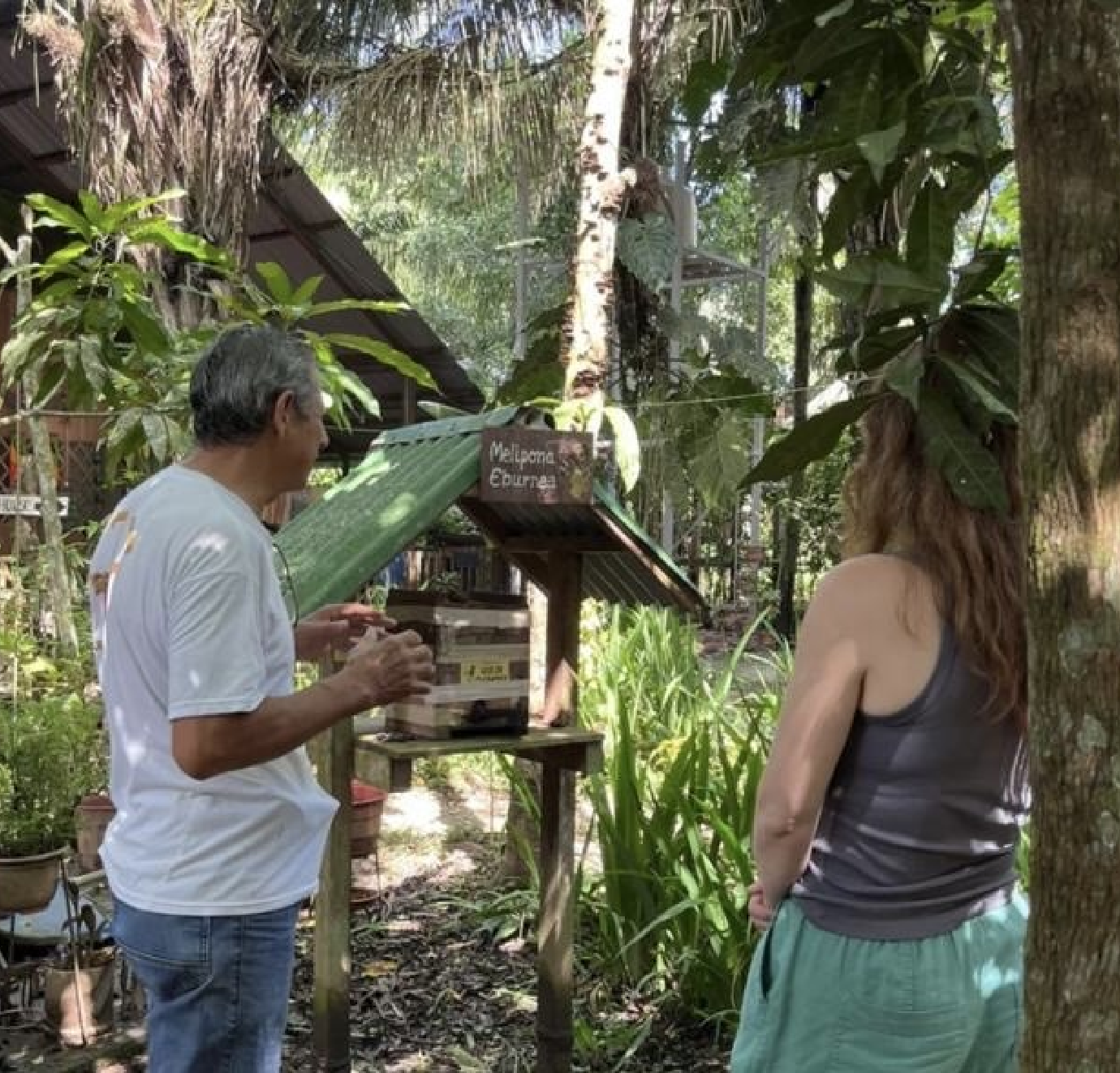
Tourism in Peru is predicated on imaginaries of indigenous culture, yet actual campesino communities receive minimal lasting benefit in what is otherwise a highly profitable industry of cultural extraction. In other words, the nation’s rich and varied indigenous cultures have inspired the many sights, tastes, and sounds that compromise the Peruvian tourism industry–the third largest industry in the country– even while many native communities still struggle to attain basic living standards.
This led us to ask two main questions that drive our work at CRC today: can tourism be a tool for regenerative economic, cultural, and environmental development in indigenous and local communities, and if so, how?

Our Approach
Education over Intervention
Equip communities with the skills needed to create and manage their own operations.
Long-term Relationships
Invest in lasting partnerships between communities, partner organizations, and universities who share our vision.
Locally led, not Externally driven
Embody the ‘teach a (hu)man to fish philosophy and train ourselves out of a job, such that community initiatives operate independently after our programs.
What We Do
We design, fund, and facilitate education and training programs that equip indigenous and local communities with the skills necessary to develop their own tourism and tourism-adjacent programs.
-
Business and administration training equip communities with practical skills needed to manage their own tourism operations. These include customer service, team coordination, and operations. To do so, we draw upon the internationally recognized horizontal management model developed by our co-founder, Enrique Navarro.
-
Financial planning workshops are designed to help communities and individuals envision more secure futures for themselves and their families. Basic bookkeeping and accounting training allow communities to better organize, track, and understand the movement of money in and out of their associations to make more informed decisions toward the financial stability of their organizations. These trainings aid in long-term planning for community-wide initiatives and support regenerative development through reinvestment.
-
Program design workshops equip communities with the skills to create their own innovative activities and itineraries for visitors. Rather than provide templates to reproduce run-of-the mill touristic offerings, we help develop the building blocks for programming that captures the essence of daily life in native communities and highlights the elements individuals themselves wish to convey. Moreover, we encourage communities to focus on the activities in which they are already engaged, such as agriculture and textiles, and those which they are eager to share, such as cultural heritage through song and storytelling.
-
Marketing workshops address the key obstacles of community-based tourism initiatives: how to attract the right visitors while simultaneously shaping their expectations on one hand, and crafting experiences they’ll enjoy on another. These sessions work in conjunction with our Technology modules to assist communities as they develop their web and social media presence, create promotional materials, and network with other associations and agencies.
-
Technology training is a critical component to our community workshops, particularly given our reliance on virtual, and sometimes asynchronous modules. Basic computer and electronic device skills, word processing and spreadsheets, and communication modalities are among the themes in our curriculum.
-
English proficiency is essential for an intermediary-free community-led tourism initiative. While we do not believe it is necessary for all community members to speak English–or even Spanish, as many we work with are monolingual Quechua speakers–it is a necessity that at least some client-facing individuals can communicate directly with visitors who do not speak Spanish. Within the context of turismo vivencial, the ability to speak English negates the necessity for third-party intermediaries or translators, and allows direct collaboration between communities and visitors. Our synchronous courses are delivered virtually, through computers and projectors we provide to communities.
Where We Work
Sacred Valley & Cusco Region
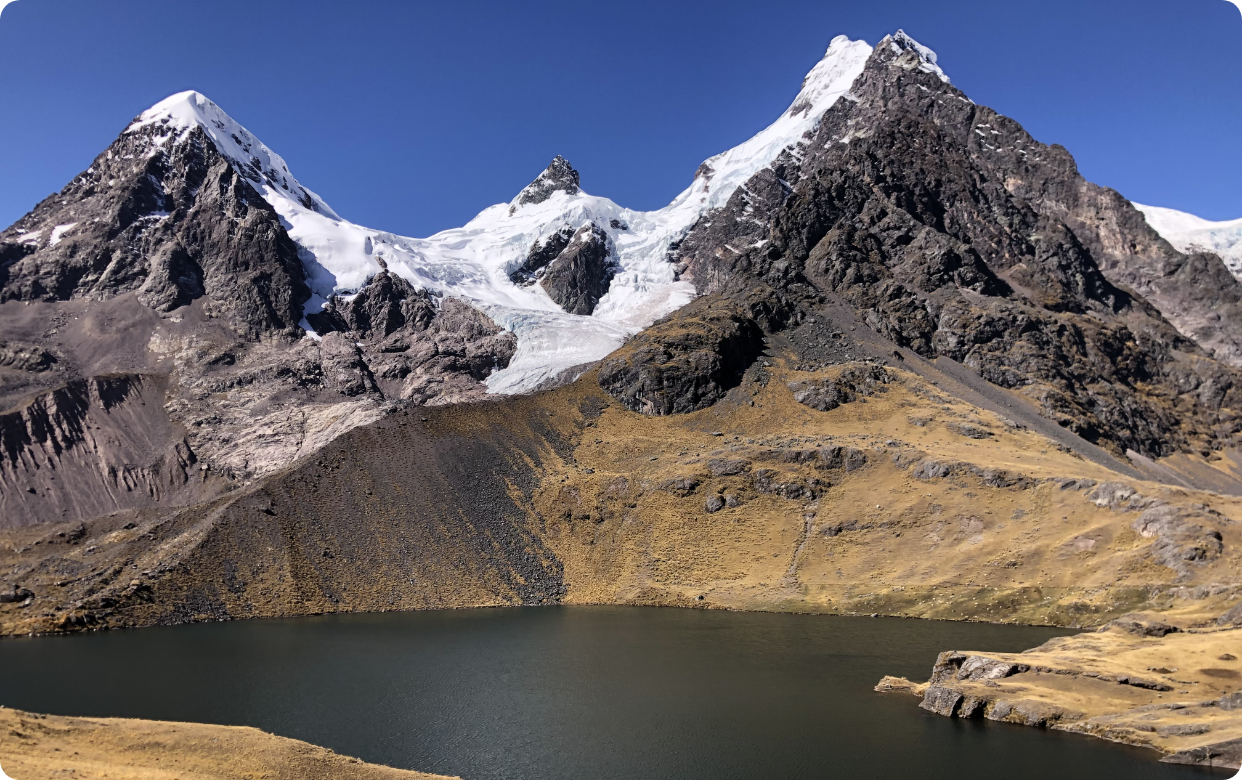
We work with campesino communities and families in the Sacred Valley of the Inca and in the South Valley, including Andahuaylillas, Ausangate, and Pitumarca. In the Sacred Valley, many indigenous communities already work in tourism, but do so informally, and in ways that do not generate sufficient, reliable income streams. Here, we focus primarily on training modules that address formalization and facilitation. While the South Valley attracts its share of visitors, few are aware of local, off-the-beaten path opportunities to see the region. Our work here focuses mainly on marketing, technology, and business administration trainings.

Peruvian Amazon
Our work in the Amazon Rainforest takes place in two main regions: the Northern Amazon near Iquitos, and the Southern Amazon around Puerto Maldonado. In the Northern Amazon, we are involved in capacity building related to ecotourism and sustainable agriculture, a unique challenge due to the rise and fall of the Amazon River. In the Southern Amazon, our community work relates primarily to ecosystem restoration, animal rescue, and indigenous culture, each of which warrants particular consideration due, especially, to deforestation and illegal mining.

How It Works
Build relationships with communities
We cultivate relationships and trust with communities through our sustained, ongoing presence, both personally and with student groups.
Identify needs together
Brainstorming sessions allow us to audit current programs and determine short and longterm community priorities.
Deliver workshops & training
Our proprietary, multilingual curriculum modules are delivered both virtually and in-person to communities.
Ongoing support
Community success is primary goal. We provide continued training and consulting services as programs evolve.
Why This Matters
When communities have economic control, can maintain their cultural identity, and are empowered to protect their environments, development becomes more equitable, sustainable, and rooted in local values rather than external pressures.
Economic Autonomy
Economic autonomy allows communities to control their own livelihoods, rather than depend on extractive industries or outside intermediaries or agencies. Local, community-owned economies such as turismo vivencial helps ensure that income stays within the community and reduces vulnerability to exploitation.
Cultural Continuity
Indigenous knowledge systems are not just traditions—they are living frameworks for managing land, agriculture, and community life. Supporting cultural continuity helps preserve identity, dignity, and locally rooted solutions to modern challenges.
Conservation & Stewardship
The Peruvian Amazon is one of the most biodiverse ecosystems on Earth, and the Andes contain fragile highland environments that are highly sensitive to climate change. Protecting ecosystems, therefore, is inseparable from protecting the rights and leadership of the people who live there.

Support This Work
We depend on the contributions of donors for our trainings and workshops. Get in touch to find our how you can support our efforts to develop community-led tourism today.